
Athletic Nutrition Features
Explore the science-backed nutrition strategies and dietary approaches that power athletic performance at every level.
Core Features of Our Nutrition Programme
Macronutrient Optimisation
Scientifically-balanced ratios of carbohydrates, proteins, and fats tailored to your sport and training intensity. Our approach adjusts nutrient timing to maximise energy availability and muscle adaptation.
Hydration Intelligence
Strategic fluid and electrolyte replacement protocols designed for different sports environments. Learn sweat rate estimation, optimal intake windows, and performance-enhancing beverage strategies.
Energy System Training
Understand how different nutritional strategies fuel your aerobic and anaerobic systems. Discover pre-activity fuelling, during-competition nutrition, and post-effort restoration protocols.
Whole Foods First Approach
Emphasising real, unprocessed foods as the foundation of athletic nutrition. Learn meal composition, food timing around training, and practical strategies for busy athletes.
Performance Tracking & Adaptation
Monitor how nutrition changes affect training outputs and competition results. Learn evidence-based methods to refine your dietary approach based on measurable performance data.
Individual Nutrition Profiling
Personalised nutrition recommendations based on your sport, age, training volume, and goals. Understand your unique nutrient needs and digestive tolerances for optimal athletic performance.
Evidence-Based Nutrition Framework
Our nutrition programme is built on peer-reviewed sports science research. We translate complex nutritional physiology into practical, actionable strategies that athletes can implement immediately.
Nutrient Timing Protocols
Pre-training, during-activity, and post-exercise nutrition windows optimised for your specific sport and training phase.
Sport-Specific Fuel Strategies
Different sports demand different nutritional approaches. Learn what works best for endurance, strength, team sports, and mixed-discipline athletes.
Micronutrient Deficiency Prevention
Identify and address common nutritional gaps in athletic populations to maintain energy and minimise injury risk.
Body Composition Management
Achieve and maintain optimal weight and muscle mass whilst preserving strength and endurance capacity.
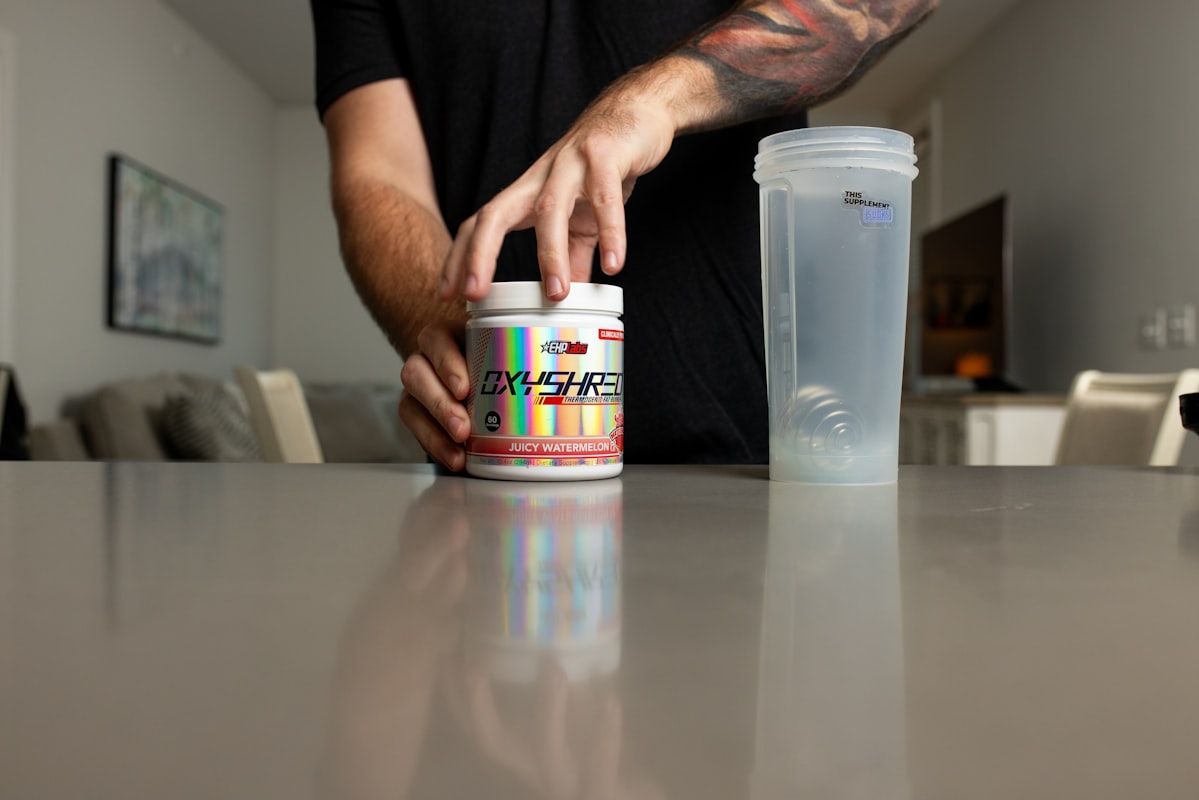
Understanding Performance Nutrition
Optimised Performance Nutrition
- Enhanced energy availability during training and competition
- Improved muscular adaptation and strength gains
- Better endurance capacity and lactate threshold
- Faster post-effort restoration between sessions
- Reduced fatigue and improved training consistency
- Enhanced focus and mental performance
Common Nutritional Mistakes
- Insufficient carbohydrate intake relative to training load
- Inadequate protein consumption for muscle development
- Poor hydration planning resulting in performance loss
- Relying solely on supplements whilst neglecting whole foods
- Trying competition nutrition during training for the first time
- Ignoring individual digestive tolerance and food preferences
Your 4-Week Nutrition Optimisation Journey
Baseline Assessment
Review current eating patterns, training schedule, and performance goals. Identify nutritional gaps and individual needs specific to your sport.
Strategy Development
Create personalised nutrition plan with macronutrient targets, meal timing recommendations, and hydration protocols matched to training phases.
Implementation & Refinement
Begin executing nutrition plan, test strategies during training, and gather performance data. Make evidence-based adjustments based on how you feel and perform.
Long-Term Optimisation
Establish sustainable nutrition habits that enhance training outcomes and competitive readiness. Continuously adapt as training demands and goals evolve.
Detailed Feature Breakdown
Carbohydrate Periodisation
Learn how to adjust carbohydrate intake based on training intensity and competition proximity. Understand low, moderate, and high carbohydrate availability strategies and when each is appropriate.
Applied across different training phases to maximise adaptation whilst maintaining performance.
Protein Distribution Strategy
Discover optimal daily protein intake and meal-by-meal distribution for maximum muscle protein synthesis. Learn the role of essential amino acids and timing around resistance training.
Evidence shows spreading protein intake throughout the day optimises muscle adaptation.
Fat Quality & Athletic Function
Understand the role of different fat types in reducing inflammation, supporting hormone production, and maintaining energy. Learn practical food sources and daily intake recommendations.
Optimal fat intake supports overall health whilst maintaining lean physique.
Micronutrient Optimisation
Identify critical micronutrients for athletic performance including iron, zinc, calcium, and B vitamins. Learn food sources, supplementation rationale, and testing strategies to assess status.
Many athletes have subtle deficiencies that compromise performance without obvious symptoms.
Gastrointestinal Comfort & Tolerance
Develop individualised nutrition approach that works with your digestive system. Learn food selections, portion sizes, and timing that minimise GI distress during training and competition.
Nutrition only works if your body can tolerate and digest it effectively.
Competition Day Fuelling
Master pre-competition meal timing and composition, during-event fuelling for endurance events, and post-competition restoration nutrition to maximise results and recovery.
Race day nutrition execution is critical—every decision impacts your athletic outcome.
Frequently Asked Questions
Current research suggests athletes require 1.6 to 2.2 grams of protein per kilogramme of body weight daily, depending on sport and training phase. Endurance athletes sit at the lower end whilst strength and power athletes benefit from the higher range.
Rather than obsessing over exact grams, focus on including a protein-containing food at each meal and distribute intake evenly throughout the day to optimise muscle protein synthesis.
Timing depends on meal size. A large mixed meal (500+ calories) should be consumed 3-4 hours before exercise. A moderate meal (300-400 calories) works well 2-3 hours prior. A small snack (150-250 calories) can be consumed 30-60 minutes before activity.
The key is finding what your stomach tolerates best during training. Always test nutrition strategies during practice, never during competition.
Whole foods should always be the foundation of athletic nutrition. Supplements are called supplements for a reason—they supplement an already solid eating plan. Most athletes can achieve their performance goals through good nutrition alone.
Supplements become relevant when there's a specific gap (e.g., iron deficiency), during competition when whole foods aren't practical, or for specific ergogenic aids backed by strong evidence in your sport.
Track objective performance metrics: training power output, speed, endurance duration, and recovery quality between sessions. Monitor body composition changes, energy levels throughout the day, and mood/motivation in training.
Keep a simple log of what you eat and how you felt during training. Patterns will emerge showing which foods help versus hurt your performance. Changes take weeks to manifest—give strategies adequate time before adjusting.
Absolutely. Proper nutrition reduces injury risk by maintaining muscle mass, bone density, and immune function. Adequate protein and micronutrients support tissue repair. Post-training nutrition accelerates restoration between sessions, allowing you to maintain training consistency.
Athletes who are chronically undernourished relative to training load experience more injuries, illness, and overtraining. Nutrition is injury prevention.
Yes, but approach matters significantly. Avoid large, rapid weight loss during heavy training blocks. Make composition changes during lighter training phases when recovery demands are lower. Maintain adequate calories to support training quality and adaptation.
Prioritise protein intake, strength training, and gradual changes over weeks, not days. Many athletes improve performance whilst optimising body composition through strategic nutrition—it requires planning and patience, not extreme restriction.
Learn More About Athletic Nutrition
Nutrition Guide
Comprehensive guide covering macronutrient fundamentals, micronutrient requirements, and practical meal planning strategies for athletes.
Read the guide →Expert Insights
Articles covering cutting-edge research in sports nutrition, emerging strategies, and evidence-based performance optimisation approaches.
Browse articles →Common Questions
Answered questions about nutrition timing, supplement safety, body composition management, and sport-specific eating strategies.
View FAQs →Ready to Optimise Your Health & Performance?
Join thousands who've transformed their athletic potential through science-backed nutrition and habit formation.
What Athletes Are Saying
Real results from real people who've optimised their performance.
"The nutrition timing strategies completely changed my recovery. I'm hitting personal bests I didn't think were possible."
Marathon Runner, UK
"Building sustainable habits through science-backed methods. No crash diets, just consistent progress and better energy levels."
Football Player, Spain
"The body composition coaching helped me gain muscle while maintaining endurance performance. Exactly what I needed."
CrossFit Athlete, Australia
Science-backed nutrition and habit coaching for athletic performance.
Resources
- Blog
- FAQs
- Research
- Podcast
© 2024 Athletic Health Habits – VAT: GB410 4825 16. All rights reserved.